
Iran's ambush
Don't take the bait — and don't put boots on the ground in Iran

Not even a week into the war on Iran, American and Israeli officials have already declined to rule out a ground invasion.
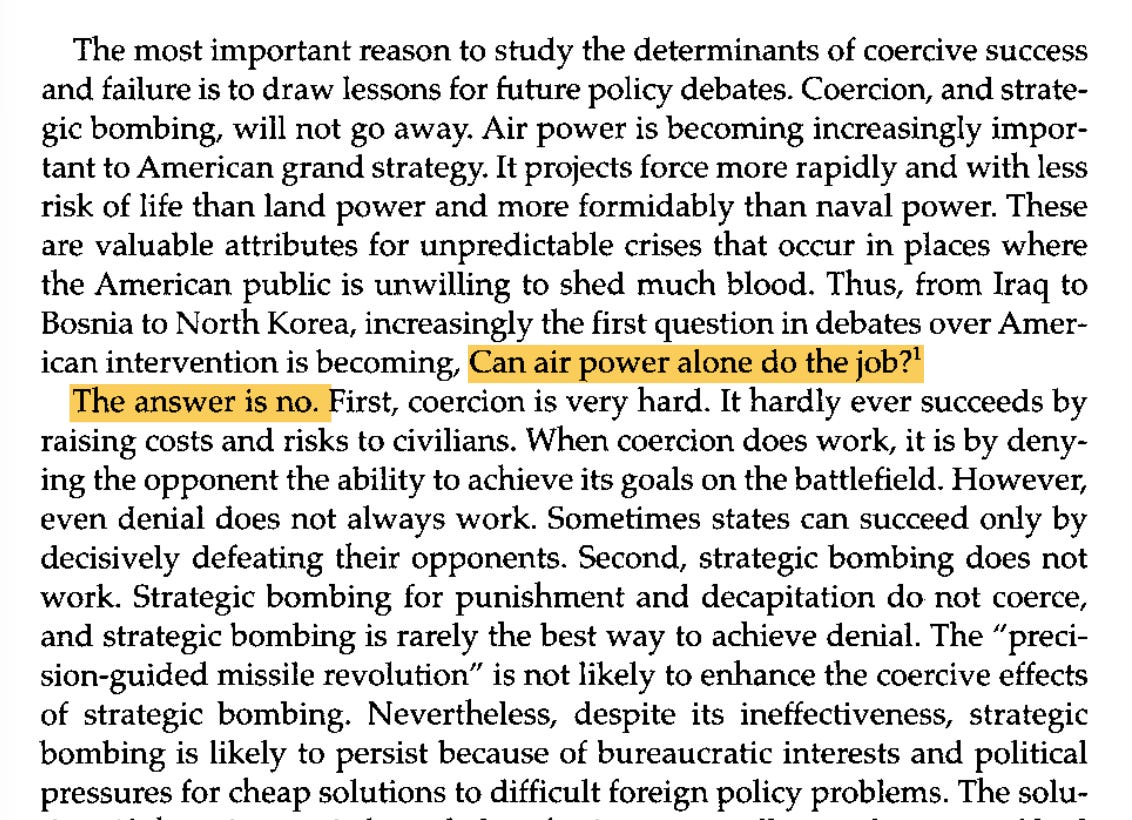
While the campaign was supposed to be limited to aerial bombardment, this clearly won’t be sufficient to achieve regime change. Generally speaking, aerial campaigns rarely change internal political dynamics in favor of the aggressor, and often just harden your opponent’s resolve.
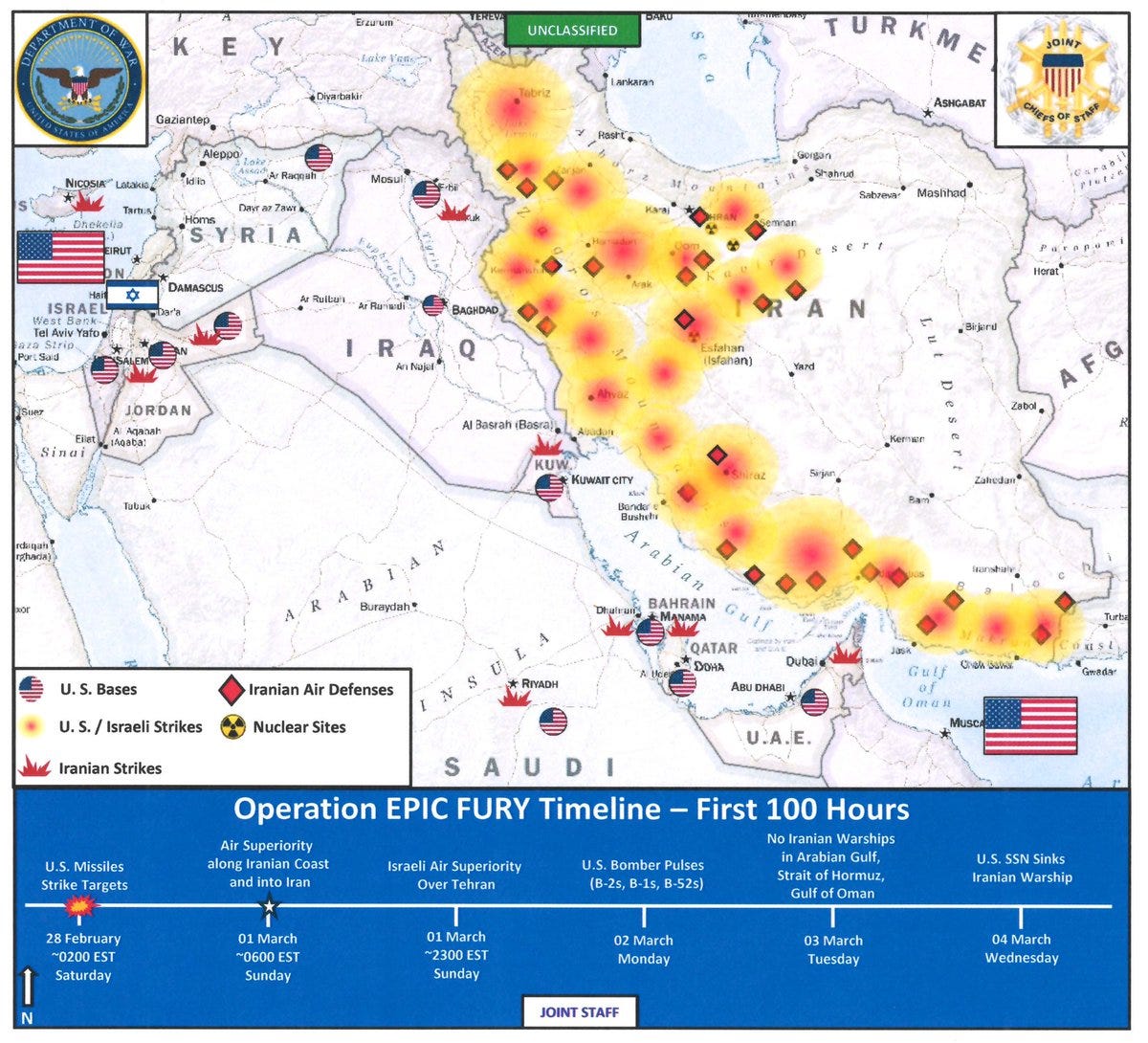
The Iranian regime still has a deep base of support. Its founding narrative is about martyrdom and resistance against foreign invaders. So, the bombing campaign against Iran, which also appears to be indiscriminately targeting civilians, will only deepen the regime’s base of support, and allow them to ask greater sacrifices from the population.
What’s more, the interceptor production rate math works in Iran’s favor. Tehran can make many more drones and missiles than the U.S. can make interceptors. After a few weeks, the U.S. and Israel are expected to run low, making it easier for Iran to lob cheap drones into U.S. assets in the region, and drag the U.S. into a drawn-out conflict.
Meanwhile, there are no signs that Iran is letting up. Instead, their rhetoric has only hardened.
In fact, this is exactly what they prepared for — and, dare I say, want to see happening. Yes, the Iranian regime appears to prefer a deeper and longer conflict. Allow me to explain.
In Shia political theology, which is Iran’s main religion, martyrdom and resistance against a foreign enemy carry special significance. This is because some of the religion’s earliest Imams died in battles protecting the homeland. From Eskandar Sadeghi-Boroujerdi’s recent piece in the LRB:
“In Shia political theology, martyrdom carries a particular force. The memory of Karbala and the death of Imam Hussain are not abstract motifs but part of a living political language and religious practice, in which suffering at the hands of an unjust power acquires moral authority. To be killed by an external enemy does not simply remove a leader; it can recast him. No modern Iranian head of state has met such an end. (…) Khamenei’s death will be narrated across official channels as the ultimate sacrifice in the face of foreign assault. In death, he may acquire a clarity and coherence that eluded him in life.”
